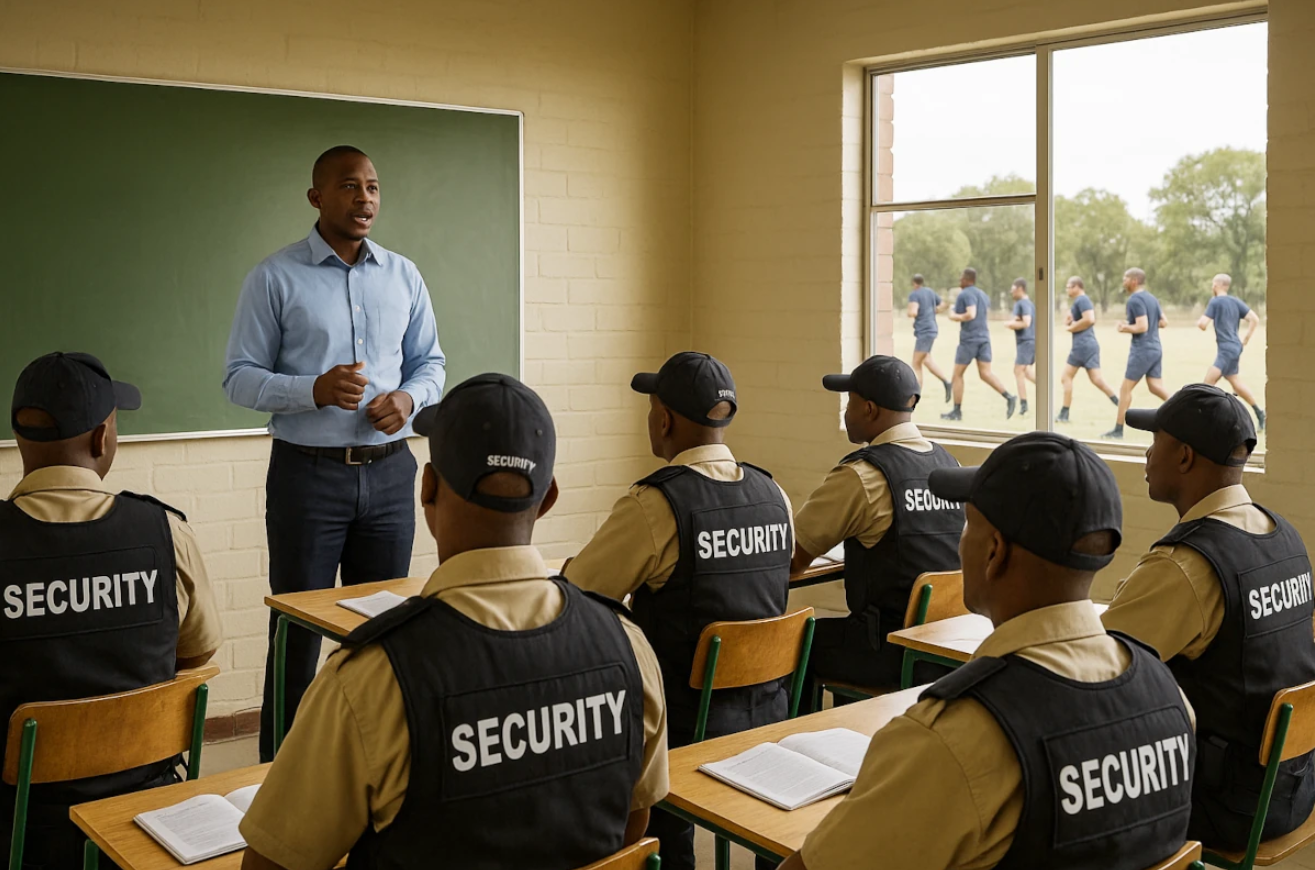
A career in security requires more than just standing watch—it demands a unique combination of skills, training, and discipline to keep people, property, and information safe. A professional security guard training course prepares you with the knowledge and abilities to handle various situations, from routine patrols to emergencies, while staying compliant with state regulations.
If you’re considering a career in the field, here’s what you can expect to learn and how these skills will benefit you in the workplace.
Communication Skills
Security work often involves interacting with the public, coworkers, and law enforcement. A good training program teaches you how to communicate professionally and confidently.
You’ll learn how to:
-
Give clear verbal instructions during incidents
-
Write detailed and accurate incident reports
-
Listen actively and respond calmly to questions or concerns
-
Maintain a professional demeanor even in tense situations
Strong communication skills help security guards de-escalate conflicts and build trust with clients, visitors, and the community.
Observation and Situational Awareness
One of the core duties of a security guard is to monitor the surroundings for suspicious activity. Training courses sharpen your observation skills so you can detect potential threats before they escalate.
Key techniques include:
-
Scanning environments methodically
-
Recognizing unusual behaviors or patterns
-
Using surveillance systems effectively
-
Noticing changes in normal routines or access points
With heightened awareness, you can respond quickly to prevent incidents and protect assets.
Conflict Resolution
Security guards often serve as the first point of contact when tensions arise. Training emphasizes conflict resolution techniques that help you defuse situations without force whenever possible.
This includes:
-
Understanding body language and tone of voice
-
Applying de-escalation strategies
-
Using persuasion and negotiation to reach peaceful outcomes
-
Remaining calm under pressure
These skills reduce the likelihood of violence and help maintain a safe environment for everyone.
Emergency Response Skills
Security guard training prepares you to act decisively in emergencies, whether it’s a medical issue, fire, or security breach. You’ll learn:
-
First aid and CPR basics
-
Evacuation procedures
-
Coordinating with emergency services
-
Handling alarms and emergency communication systems
Quick, effective responses can save lives and limit property damage.
Legal Knowledge
Understanding the legal boundaries of your role is critical. Training courses cover the laws and regulations that apply to security work, including:
-
Arrest and detention powers
-
Use of force policies
-
Privacy laws
-
Trespassing and property rights
With this knowledge, you can perform your duties with confidence and avoid potential legal issues.
Report Writing
Accurate and thorough documentation is a vital part of security work. Training shows you how to create clear, concise, and factual reports that can be used by supervisors, clients, or law enforcement.
A good report includes:
-
Date, time, and location of the incident
-
Detailed description of events
-
Actions taken and by whom
-
Witness statements, if applicable
Strong report writing ensures that critical information is recorded and can be referred to later.
Patrolling Techniques
Security guard training teaches you how to conduct effective patrols, whether on foot, in a vehicle, or through remote monitoring. You’ll learn:
-
How to plan patrol routes
-
Checking access points and vulnerable areas
-
Using check-in systems or patrol logs
-
Varying patrol patterns to prevent predictability
Regular, thorough patrols deter crime and provide a visible security presence.
Physical Preparedness
While not every situation requires physical intervention, security guards must maintain a certain level of fitness. Training helps you develop:
-
Endurance for long shifts or patrols
-
Strength for restraint situations
-
Agility for quick responses
-
Self-defense techniques to protect yourself and others
Physical readiness ensures you can meet the demands of the job safely.
Technology and Surveillance Skills
Modern security work often involves advanced technology. Training programs teach you how to operate:
-
CCTV systems
-
Access control systems
-
Alarm monitoring software
-
Communication devices like radios and dispatch tools
Proficiency with these tools helps you work more efficiently and respond faster to incidents.
Customer Service Skills
Security guards often represent the face of a business or property. Courses emphasize the importance of customer service, including:
-
Greeting visitors politely
-
Providing directions or assistance
-
Balancing security duties with a welcoming attitude
A professional and approachable presence improves the overall environment for employees, clients, and guests.
Teamwork and Coordination
Security operations often require working closely with other guards, management, and emergency responders. Training teaches you to:
-
Coordinate patrol schedules
-
Share information effectively during shift changes
-
Support teammates during incidents
-
Follow a chain of command
Strong teamwork leads to better security coverage and faster problem-solving.
Stress Management
Security guards may encounter stressful situations, ranging from dealing with aggressive individuals to responding to emergencies. Training programs include strategies for:
-
Staying calm under pressure
-
Making quick, sound decisions
-
Avoiding burnout through proper rest and self-care
Being able to manage stress ensures you can think clearly and act appropriately at all times.
Conclusion
A security guard training course does more than meet licensing requirements; it prepares you with a versatile skill set that can be applied in many real-world situations. From communication and observation to legal knowledge and emergency response, these skills make you a valuable asset to any employer.
Whether you’re just starting your career or looking to advance in the security field, investing in professional training gives you the tools and confidence to succeed. With the right preparation, you’ll be ready to protect people and property while upholding the highest standards of professionalism.