Basic law enforcement training is the foundation for anyone looking to build a career in policing or related security fields. Whether you aim to work in municipal police departments, sheriff’s offices, or specialized enforcement agencies, this initial training equips you with the skills, knowledge, and discipline necessary to perform your duties effectively and safely.
If you’re considering this career path, knowing what to expect can help you prepare both mentally and physically for the journey ahead.
Understanding the Purpose of Basic Law Enforcement Training
Basic law enforcement training serves two main purposes:
-
To prepare recruits for the demands of the job by teaching essential skills, from enforcing the law to protecting the public.
-
To ensure compliance with state and federal regulations so that all officers meet established professional standards.
In Alabama and most other states, completion of an approved training program is a legal requirement before becoming a certified law enforcement officer.
Duration and Structure of the Training
The length of basic law enforcement training can vary depending on the state, but in many cases it runs between 12 and 14 weeks, with full-time weekday schedules. Some academies also offer extended part-time formats for recruits who are already working in other jobs.
Training is typically broken into two main components:
-
Classroom Instruction – Covering legal frameworks, ethics, report writing, and procedures.
-
Practical Exercises – Physical training, firearms qualification, and scenario-based simulations.
Key Topics Covered in the Classroom
During the classroom phase, recruits learn the essential theory and legal aspects of law enforcement, such as:
-
Criminal Law and Procedure – Understanding laws, court processes, and constitutional rights.
-
Ethics and Professional Conduct – Maintaining integrity, impartiality, and public trust.
-
Report Writing – Documenting incidents accurately and in compliance with legal standards.
-
Cultural Awareness – Building community relationships and respecting diversity.
-
Emergency Response Protocols – Handling incidents like natural disasters, fires, and accidents.
Physical Fitness Requirements
Physical conditioning is a major part of law enforcement training. Officers must be physically capable of responding to emergencies, controlling suspects, and protecting themselves and others.
Typical physical fitness training includes:
-
Cardiovascular endurance (running, sprints, obstacle courses)
-
Strength training (push-ups, sit-ups, weight exercises)
-
Flexibility and agility drills
-
Defensive tactics and hand-to-hand combat techniques
Recruits are usually tested at the start, midway point, and end of training to ensure they meet the required standards.
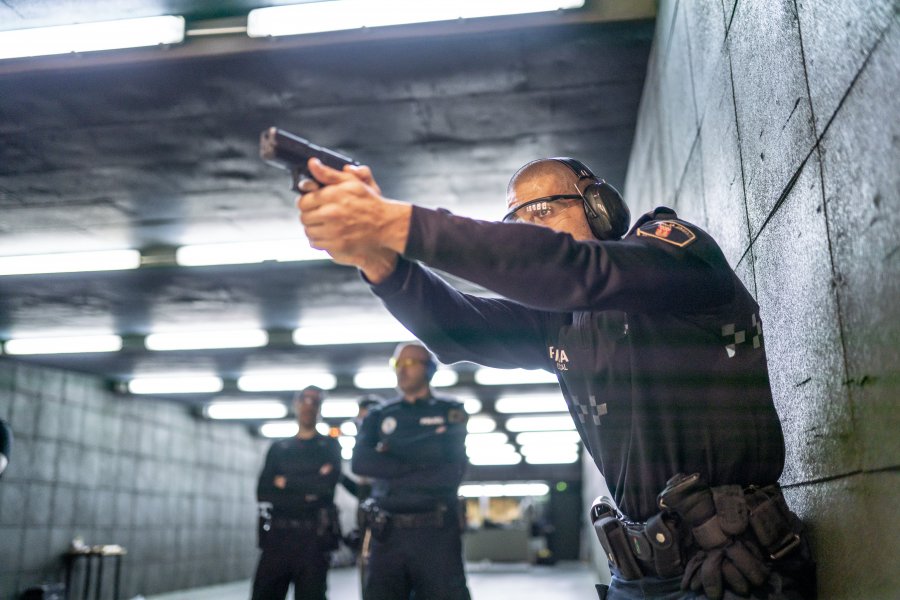
Firearms and Weapons Training
A critical part of basic law enforcement training is learning how to safely and effectively handle firearms and other defensive tools. This includes:
-
Firearm safety rules and maintenance
-
Proper shooting stance and grip
-
Target accuracy and qualification tests
-
Use of non-lethal tools like batons, tasers, and pepper spray
This phase emphasizes both skill development and the legal responsibilities surrounding the use of force.
Defensive Tactics and Use of Force
Law enforcement officers often encounter situations that require physical intervention. Training includes instruction on:
-
Control holds and restraint techniques
-
Self-defense against armed and unarmed attacks
-
Proper application of force to reduce injury risk
-
De-escalation strategies to prevent physical confrontation whenever possible
These skills prepare officers to respond proportionately and in line with legal guidelines.
Scenario-Based Training
To bridge the gap between classroom learning and real-world situations, recruits participate in scenario-based exercises. These simulations replicate common incidents such as:
-
Traffic stops
-
Domestic disputes
-
Building searches
-
Active threat situations
-
Crowd control events
Instructors evaluate decision-making, communication, and adherence to procedure during these scenarios.
Legal and Ethical Standards
Every action an officer takes is subject to legal review. Training emphasizes understanding and following the law to protect citizens’ rights and maintain public trust. Topics in this area include:
-
The Fourth Amendment and search/seizure rules
-
The Miranda warning and interrogation rules
-
The use of body cameras and evidence handling
-
Avoiding bias and discrimination in enforcement
Emotional Resilience and Stress Management
Law enforcement is mentally demanding, and basic training helps prepare recruits to handle the emotional challenges of the job. Instruction may include:
-
Stress management techniques
-
Recognizing signs of burnout or trauma
-
Accessing mental health resources
-
Maintaining work-life balance
By building resilience early, officers can maintain long, healthy careers.
Graduation and Certification
Upon completing the training, recruits must pass a series of final tests:
-
Written exams on laws, ethics, and procedures
-
Physical fitness evaluations
-
Firearms qualification tests
-
Practical skill demonstrations
Successful graduates earn their certification, allowing them to work as sworn law enforcement officers within the state.
Preparing for Success
If you’re planning to attend basic law enforcement training, here are a few tips to set yourself up for success:
-
Stay Physically Active – Begin conditioning before training starts to meet physical demands.
-
Study State Laws – Having a head start on legal topics can make classroom work easier.
-
Practice Discipline – Time management, punctuality, and following instructions are essential.
-
Develop Communication Skills – Strong verbal and written skills will serve you throughout your career.
Conclusion
Basic law enforcement training is the essential first step for anyone who wants to serve and protect their community. It’s challenging, both physically and mentally, but it equips recruits with the skills, knowledge, and discipline required to perform one of society’s most important jobs.
By understanding what to expect—from the classroom lessons to the physical fitness tests—you can enter the program prepared and confident, ready to meet the high standards of a law enforcement career.